Introduction
In today's busy globe, the capacity to respond properly in an emergency situation can make all the difference in between life and fatality. One essential skill that everybody must have is Cardiopulmonary Resuscitation (CPR). This short article dives deep into The Significance of mouth-to-mouth resuscitation Qualification: What You Required to Know, highlighting why acquiring a mouth-to-mouth resuscitation certification is not simply useful yet important for any person wanting to ensure safety and security in their community.
The Importance of mouth-to-mouth resuscitation Qualification: What You Need to Know
When it involves saving lives, understanding is power. Mouth-to-mouth resuscitation is an essential ability that can be learned via different first help courses With heart attack being among the leading causes of death around the world, having mouth-to-mouth resuscitation understanding can significantly boost survival rates. According to the American Heart Organization, immediate mouth-to-mouth resuscitation can increase or perhaps triple a sufferer's chance of survival.
But exactly what does mouth-to-mouth resuscitation entail? It's a mix of chest compressions and rescue breaths developed to maintain blood circulation and oxygenation throughout cardiac emergencies. While many individuals believe CPR is just needed for medical care professionals, the fact is that any person can gain from learning this potentially life-saving skill.

What Does CPR Certifcation Entail?
CPR certification usually entails completing a training program that covers different skills, including:
- Recognizing cardiac arrest symptoms Performing top quality breast compressions Administering rescue breaths Using an Automated External Defibrillator (AED)
These skills are usually instructed in conjunction with first help courses, supplying a thorough understanding of just how to respond in emergencies.
Why You Must Get Certified
Life-Saving Abilities: One of the most compelling reason for acquiring your CPR certification is the capability to save lives. Having these abilities prepares you for emergencies at home, at work, or in public spaces.
Confidence Boost: Recognizing exactly how to perform CPR can increase your confidence when faced with an emergency circumstance. This assurance enables you to act emphatically instead of freeze under pressure.
Career Opportunities: Lots of employers look favorably upon candidates with accreditations in emergency treatment and mouth-to-mouth resuscitation. Area such as health care, education, and sporting activities mentoring commonly need these credentials.
Community Impact: When a lot more people are learnt mouth-to-mouth resuscitation, neighborhoods come to be safer locations. Think of going to a public event where many individuals recognize just how to perform CPR; the probability of efficient intervention enhances exponentially.
Renewal and Constant Understanding: Many certifications require renewal every 2 years approximately, ensuring that people stay updated on best methods and any type of modifications in guidelines.
What Are Your Options for Training?
There are many methods readily available for acquiring your mouth-to-mouth resuscitation qualification:
Online Courses
Online training courses have actually acquired appeal as a result of their comfort. You can learn at your very own pace without geographical constraints.
In-Person Classes
In-person courses use hands-on experience under specialist guidance, which can be vital when it comes time to use your abilities in real-life situations.

Combination Programs
Some companies use hybrid programs that combine online theory with hands-on practice sessions.
Finding the Right Emergency treatment Course
When choosing a training program, take into consideration variables like place, cost, duration, and track record of the establishment using the program. Look for certified companies recognized by authorities like the CPR Course Near Me American Heart Association or Red Cross.
How Typically Needs to You Freshen Your Certification?
Most certifications suggest renewing every 2 years. Constant practice makes certain skills stay sharp and current with current guidelines.
Frequently Asked Questions (Frequently asked questions)
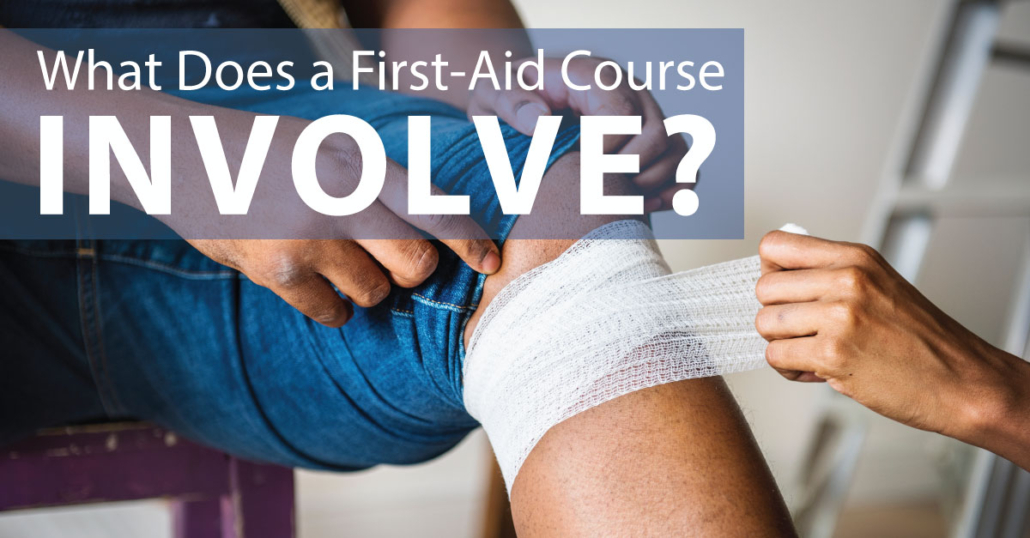
1. What Is Included in a First Aid Course?
A typical emergency treatment course covers skills such as wound treatment, choking alleviation techniques, fundamental life support (BLS), and just how to use an AED alongside CPR training.
2. How Lengthy Does It Take To Obtain Certified?
Most courses last between 4-8 hours for initial qualification and might take less time for revival training courses as a result of prior knowledge.
3. Is Online Accreditation Valid?
Yes! As long as the program is certified by acknowledged bodies like AHA or Red Cross.
4. Can I Utilize My Emergency Treatment Certification Internationally?
It depends on the nation's regulations; nonetheless, lots of places hltaid011 first aid training certification acknowledge qualifications from reputable organizations worldwide.
5. Are There Age Limitations for Taking a Course?
Generally no; people as young as 12 can take most first aid training courses with parental consent.
6. Do Firms Deal Group Discount Rates for Training?
Many companies do supply discount rates for group reservations that makes it much easier for organizations intending to train numerous employees simultaneously.
Conclusion
Learning mouth-to-mouth resuscitation is not just an option; it's a responsibility we owe ourselves and our neighborhoods. The significance of being prepared can not be overemphasized-- having your certification outfits you with life-saving abilities that might make all the difference during emergencies. By enlisting in a credible first aid course that consists of detailed training on both emergency treatment methods and CPR procedures, you're taking proactive steps toward ending up being a valuable property in situation situations.
As we've discovered throughout this post labelled "The Importance of CPR Accreditation: What You Need to Know," it's clear that possessing these abilities improves not just individual self-confidence but likewise community safety on the whole-- developing a causal sequence where preparedness becomes second nature amongst all of us! So why wait? Subscribe today!